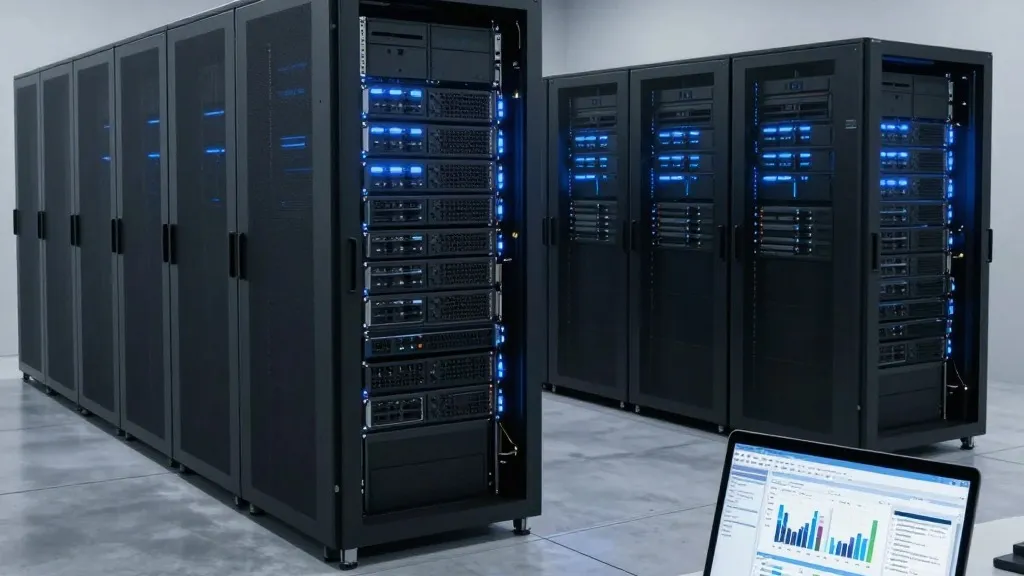
Amazon Scraps Four Data Centers in Loudoun County for Residential Zones
The tech giant is converting a 122-acre site in Northern Virginia into mixed-use housing and public spaces after facing significant community resistance.
By Ananya Gupta ·
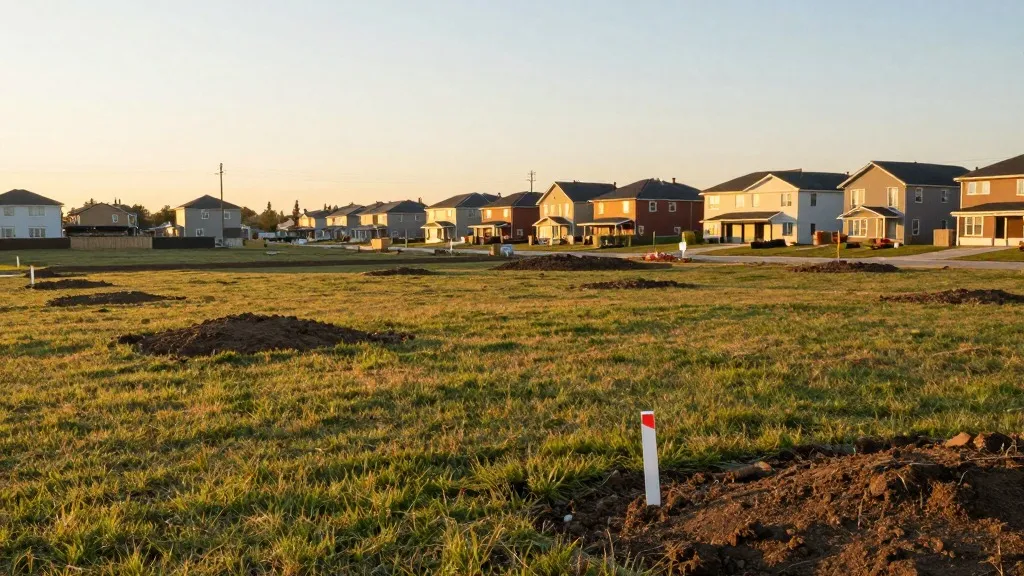
Amazon has officially withdrawn plans to construct four new data centers on a 122-acre parcel of land in Loudoun County, Virginia, replacing the massive infrastructure project with mixed-use and residential development. The decision marks a significant shift in strategy for the company, which will now repurpose the majority of the former George Washington University campus for housing and community spaces. In addition to the development changes, Amazon has agreed to donate 25 acres of the property to the county for a new community arts center and recreational facility. The company will also contribute $5 million to the county’s housing fund, a move intended to address local needs for affordable living spaces.
The reversal comes after months of friction between the company and local stakeholders. Amazon initially submitted its proposal in July, aiming to expand its footprint in an area often referred to as "Data Center Alley" due to its high concentration of server facilities. However, residents expressed strong concerns regarding the noise generated by the equipment and the immense power requirements of such facilities. These concerns gained traction with local leadership, leading to a meeting in September between Amazon representatives and Loudoun County Board of Supervisors Chair Phyllis J. Randall. During that discussion, county officials suggested that the company might find a more suitable alternative use for the land than the originally proposed data centers.
Josh Weissman, Amazon’s vice president for data center development, explained the company’s reasoning for the change. He noted that while Amazon was eager to acquire the former university campus when the opportunity first arose, the company gave serious weight to the county’s specific objections to the site. Weissman stated that although the company viewed the legal development potential of the property differently than the county did, they determined that a shared vision was preferable to expensive legal battles. This approach allowed both parties to avoid a protracted dispute over the land’s future.
The decision occurs against a backdrop of rising tensions over AI infrastructure. The surge in artificial intelligence usage has increased demand for larger data centers, but this growth has often met resistance from local communities worried about rising electricity prices and resource strain. Just days before this announcement, President Donald Trump called for data center operators to pay local communities a dividend to offset energy cost increases. He also proposed that these facilities should generate their own electricity and sell any excess power back to the grid, addressing issues like water shortages and deforestation that have become central to the debate.
Local officials have framed the outcome as a success of cooperative negotiation rather than conflict. Chair Randall emphasized that choosing dialogue over disagreement created a valuable opportunity for the county. She highlighted that the agreement will provide new gathering places for residents to create and play. Most importantly, she noted, the deal will help provide more attainable homes for working families in the region.
The site, located just outside of Washington, D.C., will now transition from a planned tech hub to a mixed-use development. This shift reflects a broader pattern where local communities are exerting more influence over where massive AI infrastructure is placed, prioritizing local benefits over pure capacity expansion. The donated acres for arts and recreation, combined with the housing fund contribution, aim to mitigate the environmental and social impacts that often accompany such large-scale tech projects.
Moving forward, the land will be redeveloped according to the new mixed-use plans, while the 25-acre donation will be utilized for public facilities. This resolution sets a precedent for how tech giants might handle future site acquisitions in densely populated areas, potentially favoring community-integrated projects over standalone data center complexes in the near future.
Source: Tom's Hardware